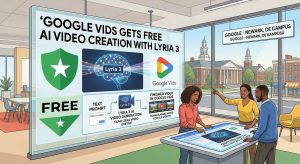
Announcing free AI video generation feels like handing out candy on Halloween. Google’s doing exactly that with its latest Google Vids updates, powered by Lyria 3 and Veo 3.1, promising high-quality video creation without the usual price tag attached to generative AI tools.
What’s Actually New in Google Vids
The centerpiece here isn’t just another incremental update. Google’s baked Lyria 3 and Veo 3.1 directly into Vids, which means users can now generate video content that doesn’t look like it was rendered on a potato from 2015. The quality jump is noticeable, and more importantly, it’s happening inside Workspace where people actually do their work.
But here’s what’s interesting: Google isn’t treating this as a standalone creator tool competing with Runway or Pika. Instead, they’re positioning it as a business communication enhancer. Think less TikTok viral content, more polished quarterly reviews and training materials.
The integration feels deliberate rather than rushed.
Lyria 3 and Veo 3.1 Under the Hood
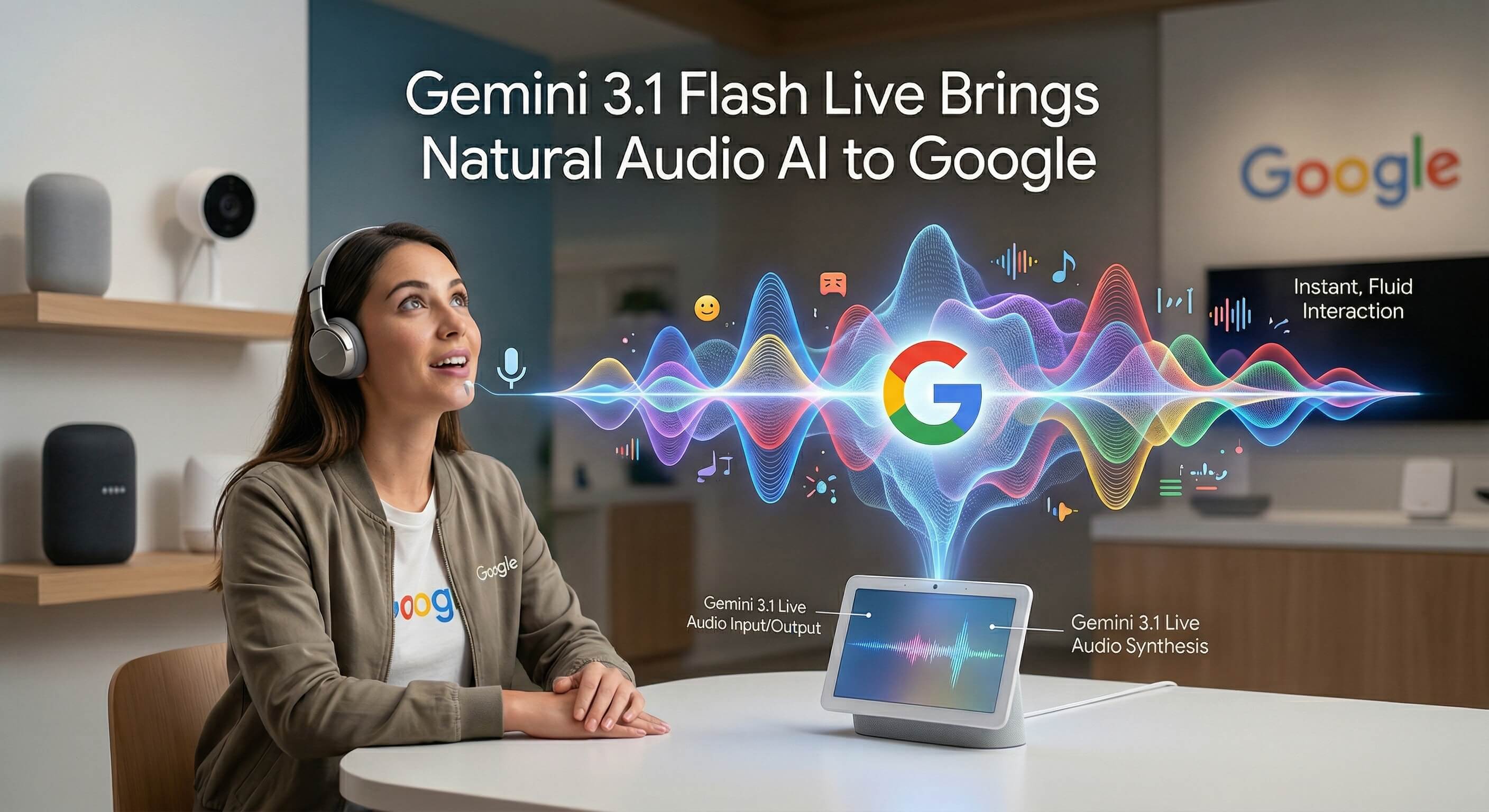
These aren’t household names yet, but they should be on your radar. Lyria 3 handles the audio generation side, while Veo 3.1 tackles video synthesis. Together, they’re producing results that would’ve required expensive third-party tools just six months ago.
The technical improvements are measurable:
- Higher resolution output
- Better temporal consistency (fewer glitchy transitions between frames)
- Improved text-to-video accuracy that actually follows prompts
- Audio sync that doesn’t make you cringe
Yet there’s still that uncanny valley problem that plagues most AI video generation. The technology has improved dramatically, but it hasn’t crossed the believability threshold that makes you forget you’re watching synthetic content.
The Free Tier Reality Check
Google’s promising “no cost” video generation, which sounds too good to be true because it probably is. The company hasn’t detailed exactly what limitations exist on the free tier, and that’s where things get murky.
Look, there’s always a catch with “free” AI services. Whether it’s usage caps, resolution limits, or export restrictions, nobody’s giving away compute-intensive video generation purely out of goodwill. The real question isn’t whether limitations exist, but how restrictive they’ll be for actual business use.
That said, even a limited free tier could be genuinely useful for small teams who need occasional video content but can’t justify subscriptions to dedicated tools.
Where This Fits in Google’s Broader Strategy
This move makes perfect sense within Google’s Workspace ecosystem. They’re not trying to dethrone Adobe or compete with Hollywood studios. They’re solving a specific problem: making video creation accessible for business users who need it occasionally but don’t want to learn complex software.
It’s the same playbook Google used with Slides versus PowerPoint. They didn’t build the most feature-rich presentation tool; they built the most integrated one. Now they’re applying that logic to video creation, betting that convenience and integration matter more than absolute creative control.
The timing also coincides with the broader shift toward video-first communication in remote work environments. Companies that never thought they’d need video creation tools suddenly find themselves wanting explainer videos, product demos, and visual presentations.
The Skeptical Take
Here’s what Google isn’t talking about: content ownership, data usage, and long-term pricing strategy. When you’re using AI tools integrated into a platform like Workspace, you’re inevitably feeding data back into Google’s systems. That might be fine for internal training videos, but what about sensitive client presentations or proprietary product demos?
And then there’s the quality ceiling question. AI video generation still struggles with complex scenes, human faces, and anything requiring precise details. For simple explainer content or basic animations, these tools work well enough. For anything more sophisticated, you’ll still need human creators.
The real test won’t be whether Google Vids can generate impressive demo videos. It’ll be whether businesses actually adopt it for regular use, or whether it becomes another underutilized Workspace feature that sounds better in theory than practice. Based on how AI video tools have performed in the wild so far, cautious optimism seems appropriate rather than unbridled enthusiasm.
https://blog.google/products-and-platforms/products/workspace/google-vids-updates-lyria-veo/